

Introduction to Home Staging Tonality
In the competitive world of real estate, the way you present a property can make or break a sale. This is where home staging tonality for luxury vs family vs investment properties comes into play. Tonality refers to the overall vibe, language, and visual style used in staging and marketing a property. It's not just about placing furniture; it's about crafting an emotional or analytical appeal that resonates with the target buyer.
For real estate agents, private sellers, and developers, understanding property tonality differences is crucial. Luxury properties demand a sophisticated, aspirational approach, while family homes thrive on warmth and practicality. Investment properties, on the other hand, focus on data-driven functionality to highlight potential returns.
Adapting your staging strategy can significantly reduce time on market with staging by 10-30 days, according to industry studies. Moreover, it can improve listing CTR staging and attract high-quality leads home staging.
Why Tonality Matters in Home Staging
Sell faster with better listing photos
Virtual staging helps buyers visualize the space. Try HomestagingKI free: 2 images included.
Tonality sets the stage for buyer expectations. For instance, luxury property staging tips emphasize exclusivity, which can increase real estate listing ROI by up to 20% through premium pricing.
In contrast, family home staging tips use inviting tones to create emotional connections, reducing unqualified inquiries and improving conversion rates.
For investment property staging tips , a neutral, analytical tonality highlights ROI, appealing to savvy investors and boosting engagement.
Home Staging for Luxury Properties: Tips and Tricks
The Impact on Key Metrics
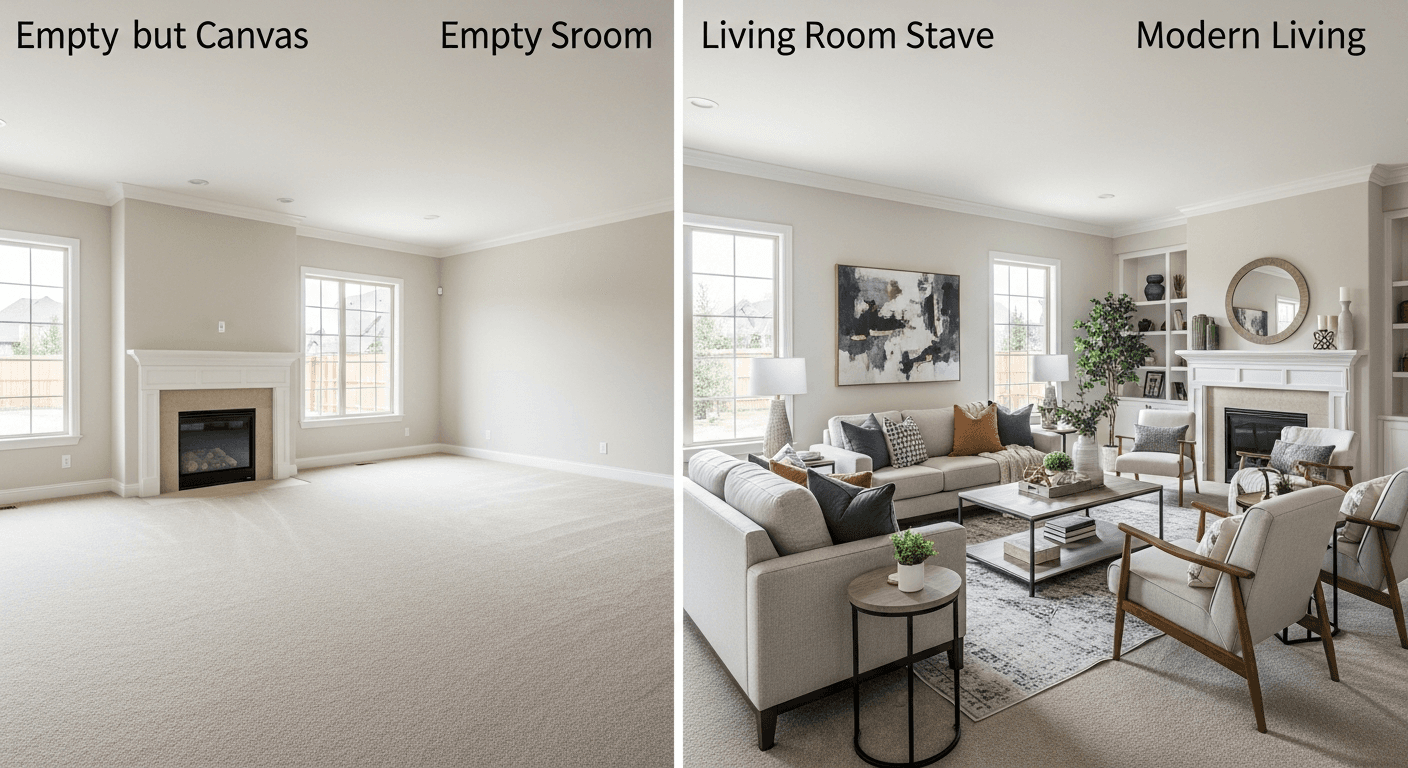
- Increased ROI by 5-20%
- Higher CTR in listings
- Better lead quality
Tonality for Luxury Properties
Try HomestagingKI for free
Upload a room photo and get a staged version in minutes. No furniture logistics, no waiting.
Luxury properties benefit from a sophisticated tonality that screams exclusivity. Think high-end finishes and aspirational lifestyles. This approach can elevate perceived value, leading to higher sale prices.
Emphasize premium materials
Highlight unique architectural elements
Create an aura of exclusivity
Tonality for Family Apartments
For family-oriented properties, warmth and functionality are key. Staging should evoke a sense of home, with practical layouts and child-friendly elements.
- Use warm color palettes
- Incorporate durable, family-friendly furniture
- Focus on spacious, inviting spaces
This tonality reduces time on market by appealing to emotional buyers, improving family-friendly home staging strategies.
Staging Family Homes to Sell Faster
Tonality for Investment Properties
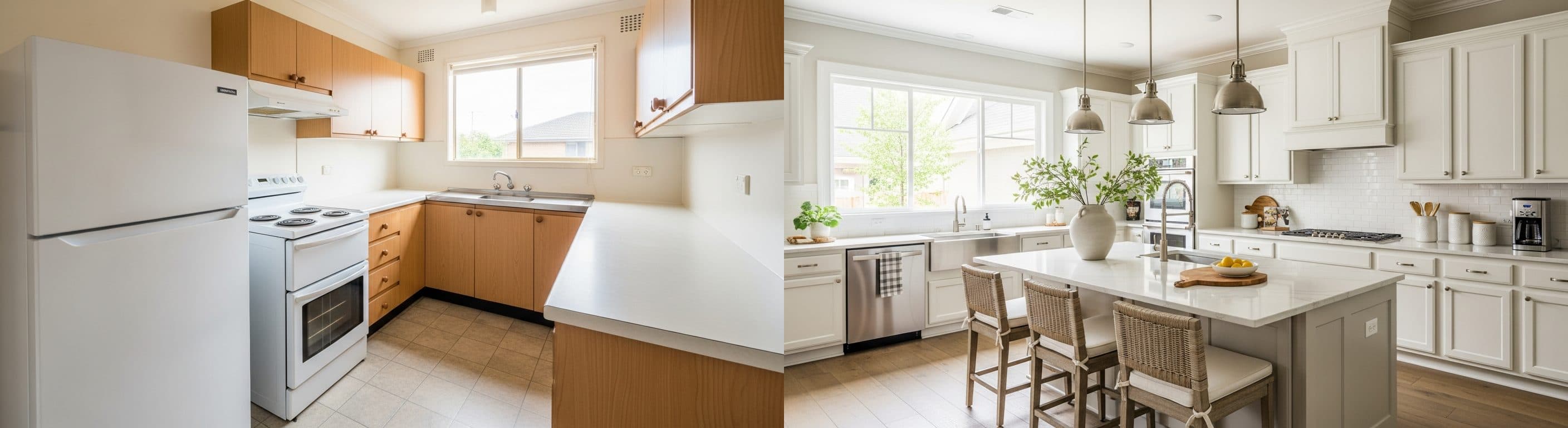
Before & After that gets clicks
Photorealistic virtual staging for agents and private sellers—optimized for portals and social ads.
Investment properties require a factual, data-driven tonality. Focus on potential returns, rental yields, and market trends.
Use investment property presentation strategies with minimalist visuals to attract serious investors.
| Aspect | Luxury | Family | Investment |
|---|---|---|---|
| Tonality | Sophisticated | Warm | Analytical |
| Focus | Exclusivity | Emotional Appeal | ROI Potential |
| ROI Boost | Up to 20% | 10-15% | 15-20% |
Virtual Staging: Customizing Tonality Efficiently
Virtual staging allows tailoring tonality without physical costs, cutting expenses by 50-70%. It's ideal for virtual staging for different property types.
For developers, scaling virtual staging processes ensures brand consistency in real estate marketing.
Real Estate Tonality Checklist
Need better photos for your listing?
Convert empty rooms into warm, modern interiors. Increase engagement and reduce time on market.
- Identify target audience
- Align visuals with property type
- Test messaging for feedback
Budget-Friendly Quick Wins and Overcoming Objections
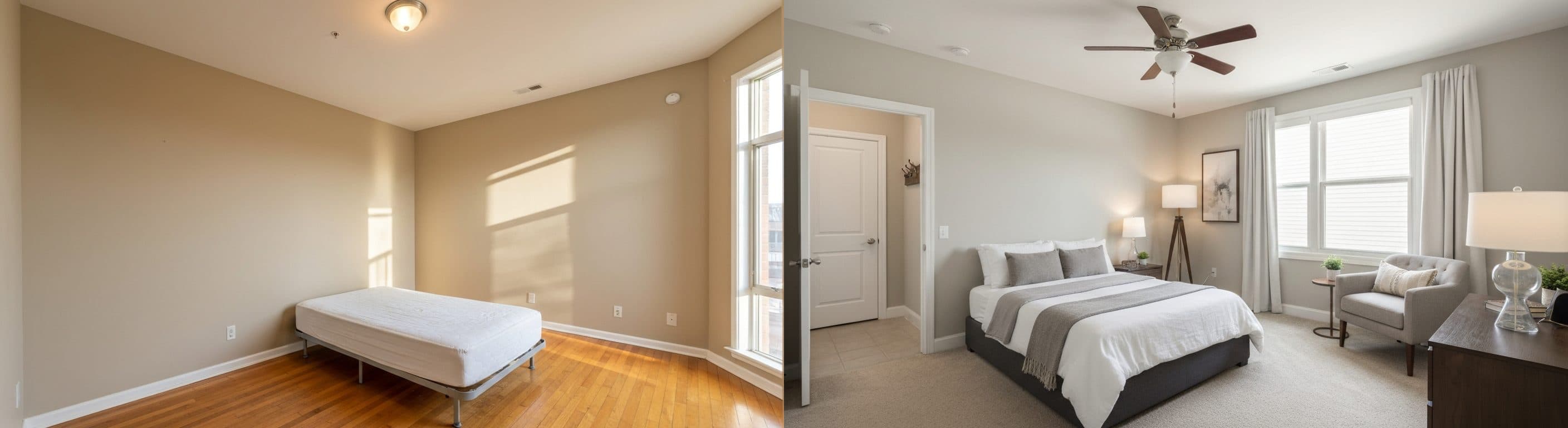
Overcoming Common Objections to Home Staging
Incorporating Storytelling in Listings
For luxury: Aspirational narratives. For family: Relatable stories. For investment: Analytical projections.
| Property Type | Storytelling Style | Benefit |
|---|---|---|
| Luxury | Aspirational | Higher perceived value |
| Family | Relatable | Emotional connection |
| Investment | Analytical | Data-driven decisions |
Standardized Staging for Developers
Conclusion
Mastering tonality in home staging is essential for maximizing ROI and attracting the right buyers. Whether it's luxury, family, or investment properties, the right approach can transform your listings.
Start with HomestagingKI today for free virtual staging and see the difference.
FAQ
What is home staging tonality?
It's the vibe and style used in presenting properties to match buyer expectations.
How does virtual staging help?
It customizes tonality cost-effectively, reducing expenses by 50-70%.
Understanding Tonality Differences in Home Staging
When it comes to home staging tonality for luxury vs family vs investment properties , the approach must be tailored to resonate with the target audience. Luxury properties demand an air of exclusivity and sophistication, while family homes emphasize warmth and practicality. Investment assets, on the other hand, focus on potential returns and efficiency. According to a 2023 Profile of Home Staging from the National Association of Realtors, staged homes sell 73% faster than non-staged ones, highlighting the importance of the right tonality.
For luxury properties, the staging should evoke aspiration and elegance. Think high-end furnishings and subtle lighting that accentuate architectural features. In contrast, family homes benefit from cozy setups with kid-friendly spaces, promoting a sense of community and comfort. Investment properties require a neutral, professional presentation that underscores value and low maintenance.
- Luxury: Use premium materials and artistic decor to convey opulence.
- Family: Incorporate functional layouts with playful elements for children.
- Investment: Highlight durable features and potential rental income streams.
Virtual Staging Strategies for Luxury Homes
Virtual staging has revolutionized the real estate market, especially for luxury properties. By digitally furnishing empty spaces, agents can showcase potential without physical costs. A study by Zillow indicates that virtually staged luxury listings receive 20% more views. This technique allows for customization to match the sophisticated tonality expected in high-end markets.
Key tips include selecting virtual furniture that aligns with luxury brands and ensuring high-resolution images. This not only improves virtual staging luxury homes but also enhances overall marketing efforts.
Tips for Effective Virtual Staging
- Choose realistic renders to maintain authenticity.
- Tailor designs to buyer personas, such as affluent professionals.
- Incorporate lifestyle elements like art pieces or wine cellars for luxury appeal.
- Measure ROI by tracking increased inquiries post-staging.
Family Home Staging Ideas to Attract Buyers
Staging family homes requires a tonality that speaks to comfort and daily living. Ideas from Inman suggest using neutral colors with pops of warmth to create inviting spaces. Focus on multifunctional rooms that appeal to growing families, reducing perceived clutter and emphasizing storage solutions.
Incorporate elements like play areas or home offices to show versatility. This approach can significantly reduce time on market with staging , as families envision their lives in the space more easily.
| Aspect | Luxury Staging | Family Staging | Investment Staging |
|---|---|---|---|
| Tonality Focus | Exclusivity and Elegance | Warmth and Practicality | Efficiency and Returns |
| Key Elements | High-end decor, ambient lighting | Cozy furniture, kid zones | Neutral palettes, durable materials |
| Expected ROI | High premium pricing | Faster sales to families | Attracting investors quickly |
| Source |
Investment Property Presentation Strategies
For investment properties, the tonality should emphasize practicality and profitability. Strategies from Realtor.com include highlighting features like energy-efficient appliances and easy-to-maintain exteriors. This attracts buyers looking for real estate listing ROI .
Virtual staging can be scaled for multiple units, ensuring brand consistency. Developers benefit from standardized processes that improve listing CTR staging and generate high-quality leads.
- Use data-driven visuals to show potential rental yields.
- Avoid overly personalized decor to keep appeal broad.
- Incorporate quick wins like fresh paint and decluttering for budget-friendly updates.
Overcoming Common Objections
Sellers often face objections related to costs or perceived value. Addressing these with evidence from Zillow can help. For instance, virtual staging offers a low-cost alternative with high returns, countering budget concerns effectively.
Scaling Virtual Staging for Real Estate Agents
Real estate agents can scale virtual staging to handle diverse property types. Insights from Forbes show that consistent tonality across listings builds trust and improves conversion rates.
By tailoring staging to buyer personas—affluent buyers for luxury, families for homes, and investors for assets—agents can optimize marketing. This leads to high-quality leads home staging and reduced market time.
Virtual staging ROI averages 5-10x investment.
Family staging increases emotional connections.
Luxury tonality boosts perceived value by 15-20%.
Budget-Friendly Home Staging Quick Wins
Not all staging needs to be expensive. Quick wins from Bankrate include decluttering, strategic lighting, and minor repairs. These can be applied across property types to enhance tonality without breaking the bank.
For investment properties, focus on curb appeal to attract quick offers. In family homes, add soft furnishings for warmth. Luxury staging might involve virtual enhancements to simulate high-end finishes.
- Repaint in neutral tones for broad appeal.
- Add mirrors to enhance space perception.
- Use plants to bring life and freshness.
Real Estate Tonality Checklist
A comprehensive checklist ensures the right tonality. Based on RealEstate.com.au , key items include assessing buyer demographics and aligning decor accordingly.
| Property Type | Checklist Items |
|---|---|
| Luxury | Premium materials, subtle luxury cues, high-res photos |
| Family | Warm colors, functional spaces, safety features |
| Investment | Neutral decor, highlight ROI metrics, low-maintenance highlights |
Implementing this checklist can tailoring home staging to buyer personas , ultimately leading to better sales outcomes.
Virtual Staging Strategies for Luxury, Family, and Investment Properties
Virtual staging has revolutionized the way real estate professionals present properties, allowing for cost-effective visualizations that appeal to specific buyer demographics. According to a Forbes article on virtual staging , this technology can significantly enhance listing appeal without the need for physical furniture. When considering home staging tonality for luxury vs family vs investment properties , virtual staging must adapt to the unique emotional and practical needs of each property type. For luxury homes, the focus is on opulence and exclusivity, using high-end virtual elements to evoke aspiration.
Family homes, on the other hand, benefit from warm, inviting setups that highlight functionality and comfort. A study from Virtuance on virtual staging statistics reveals that staged family properties see a 20% faster sale time. Investment properties emphasize potential returns, with staging that underscores efficiency and profitability.
- Luxury: Incorporate virtual elements like marble countertops and designer lighting to convey sophistication.
- Family: Use cozy furniture arrangements and kid-friendly spaces to create a sense of home.
- Investment: Highlight multifunctional areas and modern amenities to appeal to ROI-focused buyers.
- General Tip: Always align virtual staging with the property's market positioning to maximize appeal.
Tailoring Tonality to Buyer Personas: A Comparative Analysis
Understanding buyer personas is crucial for effective home staging. For luxury properties, the tonality should exude elegance and prestige, targeting affluent buyers seeking status symbols. As outlined in Realestate.com.au's guide to luxury property staging , subtle lighting and minimalist designs can elevate perceived value. In contrast, family homes require a nurturing tonality, emphasizing safety and community.
Investment assets demand a pragmatic approach, focusing on data-driven appeals like potential rental yields. Insights from Investopedia's ROI guide highlight how staging can directly influence perceived investment viability. By tailoring the staging narrative, sellers can reduce time on market and improve listing CTR, as supported by Redfin's study on staging effects .
| Property Type | Key Tonality Elements | Target Buyer Persona | Staging ROI Impact |
|---|---|---|---|
| Luxury Properties | Opulent, exclusive, aspirational | High-net-worth individuals | Up to 10% increase in sale price per NAR report |
| Family Homes | Warm, functional, community-oriented | Growing families | 20% faster sales according to Zillow research |
| Investment Assets | Practical, efficient, return-focused | Real estate investors | Improved lead quality as per HomeLight analysis |
Budget-Friendly Quick Wins in Home Staging
Not all staging needs to be expensive. Budget-friendly options like virtual staging can yield high returns. For instance, Bankrate's tips on budget staging suggest simple decluttering and virtual enhancements to boost appeal. This is particularly useful for investment properties where cost efficiency is key.
Overcoming Common Objections in Property Selling Through Staging
Sellers often face objections related to property condition or market fit. Effective staging addresses these by aligning tonality with buyer expectations. A guide from Zillow on overcoming objections emphasizes how staged listings generate higher-quality leads. For family apartments, staging ideas from HGTV can counter concerns about space utilization.
- Address price objections by highlighting luxury features in high-end listings.
- Mitigate family concerns with child-safe, spacious virtual setups.
- Counter investment doubts with data on potential ROI through clean, modern staging.
Scaling Virtual Staging for Real Estate Agents and Developers
For agents and developers, standardizing staging processes ensures brand consistency. Trends discussed in NAR's 2023 virtual staging trends show that scalable virtual solutions reduce time on market by 15%. This approach is ideal for investment property marketing, where tonality focuses on long-term value.
Sources
- 2023 Profile of Home Staging (study)
- Impact of Home Staging on Sales (study)
- Home Staging ROI: Is It Worth the Investment? (article)
- Home Staging Tips for Luxury Properties (guide)
- Virtual Staging: The Future of Real Estate Marketing (article)
- Staging Strategies for Family Homes (news)
- Staging Investment Properties for Maximum Appeal (guide)
- Calculating ROI on Virtual Staging (article)
- Home Staging Statistics and Trends (study)
- How Staging Affects Time on Market (study)
- Tips for Staging Luxury Homes (guide)
- Virtual Staging for Family Homes (article)
- Return on Investment (ROI) in Real Estate (guide)
- Staging Rental and Investment Properties (article)
- Home Staging Secrets for Different Property Types (article)
- Impact of Staging on Listing Click-Through Rates (study)
- Luxury Home Staging Essentials (guide)
- Creative Staging Ideas for Family Apartments (guide)
- Staging Tips for Real Estate Investors (article)
- Virtual Staging Trends in 2023 (news)
- Incorporating AI in Real Estate Videos (Virtual Staging and More!) (youtube)