

Introduction to Honest Property Disclosure
In the competitive world of real estate, transparency is key to building lasting trust with buyers. But how do you master how to disclose property defects honestly without hurting value? This guide explores practical strategies for real estate agents, private sellers, and developers to communicate home flaws effectively while preserving property pricing. By balancing honesty with smart marketing, you can attract serious buyers and reduce time on market. Communicating Property Flaws: Honesty Without Hurting the Deal
Honest disclosure isn't just a legal requirement—it's a smart business move. According to industry studies, properties with upfront defect communication see up to 20% shorter market times. We'll dive into tips like using virtual staging to offset defects, framing issues positively, and integrating these into your sales strategy. Disclosing Property Issues: Tips for Real Estate Agents
Why Honest Disclosure Matters in Real Estate
Sell faster with better listing photos
Virtual staging helps buyers visualize the space. Try HomestagingKI free: 2 images included.
Disclosing property defects builds buyer trust, leading to higher-quality leads and faster sales. As noted in NAR's guide on property defects , transparency can prevent post-sale disputes and enhance your reputation. Disclosing Home Defects: What Sellers Need to Know
For private sellers, honest defect disclosure means avoiding legal pitfalls. Developers can standardize these practices to maintain brand consistency. Key benefits include improved listing CTR through relatable ads and better ROI from ethical marketing. Disclosing Defects in Real Estate Transactions
Builds trust and filters serious buyers
Reduces time on market by up to 20%
Prevents legal issues and disputes
The Impact on Property Value
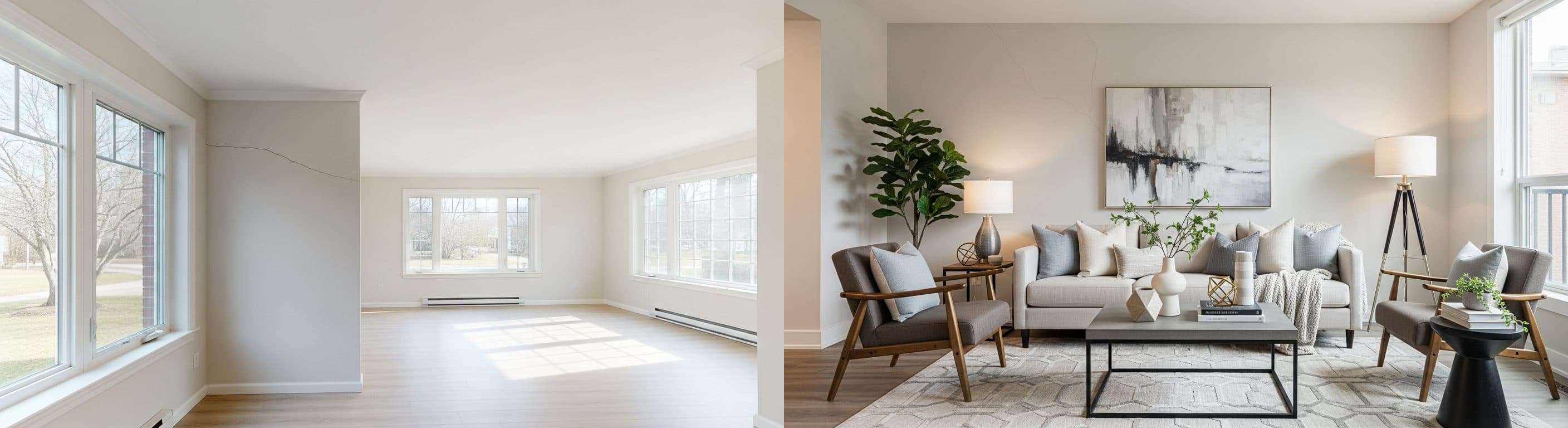
Balancing transparency and property pricing is crucial. Studies from PropertyShark show that honest disclosures don't necessarily lower value if handled well. Real Estate Disclosures: Balancing Honesty and Value
Strategies for Communicating Home Flaws to Buyers
Try HomestagingKI for free
Upload a room photo and get a staged version in minutes. No furniture logistics, no waiting.
Start with positive framing: Describe defects as opportunities, like 'original wiring ready for energy-efficient upgrades.' This approach, highlighted in Zillow's seller guide , makes listings more engaging. What Is a Seller Disclosure Heres What You Need to Know
- Use detailed descriptions in listings
- Incorporate virtual tours to show defects transparently
- Offer solutions like repair credits
Real estate agents can use these real estate defect communication strategies to attract value-seeking buyers without price reductions. Seller Disclosure: What It Is and Why It Matters
Incorporating AI in Real Estate Videos (Virtual Staging and More!)
Virtual Staging to Offset Property Defects
Virtual staging allows you to visualize improvements, mitigating flaws without misleading buyers. As per Virtual Staging blog , this can improve CTR by showcasing potential.
Balancing Transparency and Property Pricing
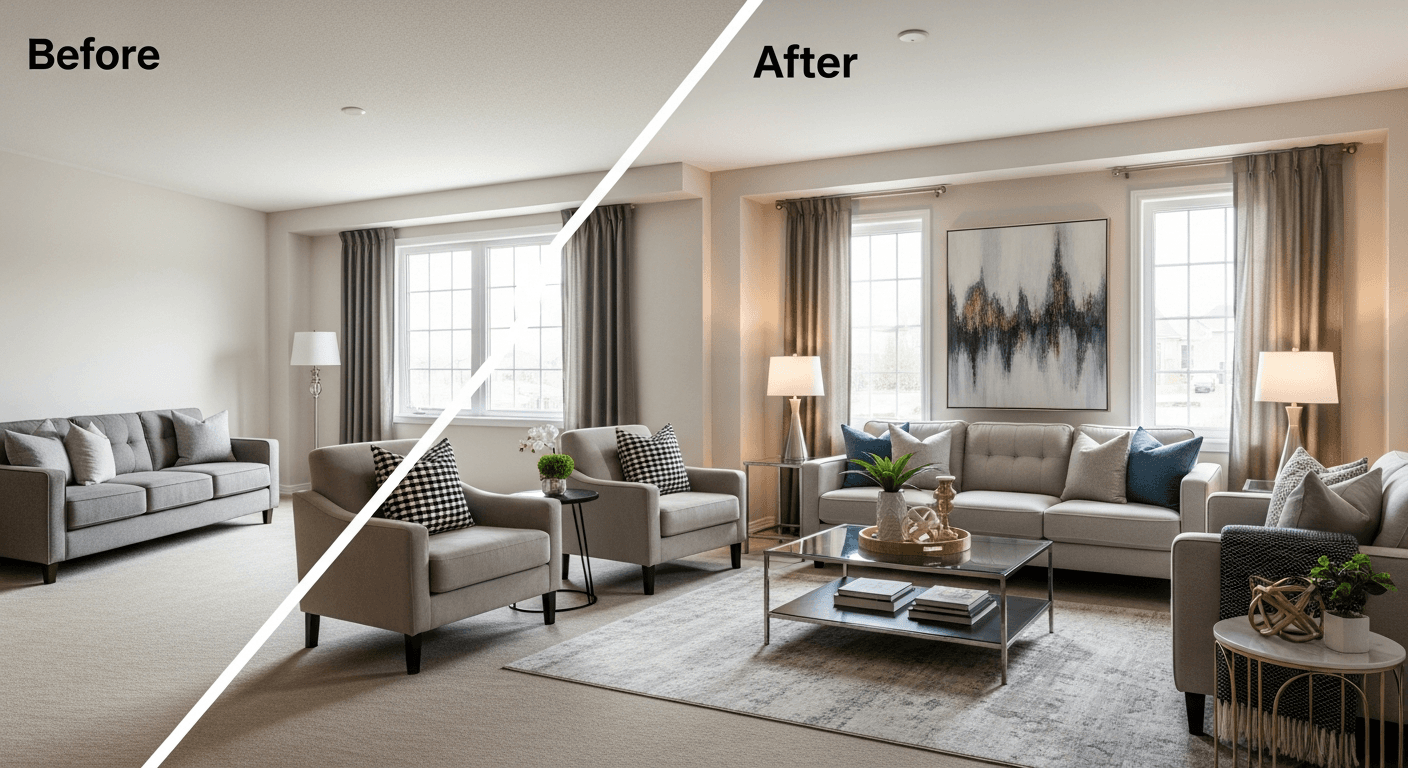
Before & After that gets clicks
Photorealistic virtual staging for agents and private sellers—optimized for portals and social ads.
To maintain home value with honest disclosures, focus on ROI. Data from NAR study indicates staged homes with disclosures sell 1-5% higher.
| Strategy | Benefit | Example |
|---|---|---|
| Positive Framing | Boosts Engagement | 'Fixer-upper potential' |
| Virtual Staging | Improves CTR | Visualize repairs |
| Early Disclosure | Reduces Negotiations | Detailed listings |
Private sellers benefit from honest defect disclosure for private sellers by documenting issues in writing, as advised by Realtor.com .
Tips for Revealing Home Issues Ethically
Provide budget-friendly ways to handle defects, such as cosmetic updates. Address common objections by highlighting comparable sales, per HomeLight blog .
- Document all defects
- Frame as opportunities
- Offer quick fixes
Checklist for Disclosing Home Problems
Need better photos for your listing?
Convert empty rooms into warm, modern interiors. Increase engagement and reduce time on market.
Use this checklist to standardize disclosures:
- Inspect property thoroughly
- List known issues
- Communicate in writing
- Provide repair estimates
Reducing Time on Market with Transparency
Transparent communication correlates with quicker sales. Industry data shows 15-30% higher engagement for balanced disclosures, from ATTOM Data study .
For developers, scaling honest communication ensures brand consistency in property defect handling.
Incorporating AI in Real Estate Videos (Virtual Staging and More!)
Common Objections in Home Defect Disclosure
Free virtual staging
Try it →Buyers often worry about costs. Counter with facts on minor impacts, as in Forbes article . Handle emotions factually to avoid scaring buyers.
| Objection | Response | Source |
|---|---|---|
| High repair costs | Offer credits | HomeLight |
| Structural concerns | Provide inspections | Redfin |
| Value impact | Show comps | Zillow |
Improving Listing CTR Through Honest Ads
Relatable ads with disclosed flaws boost CTR. Integrate virtual staging for defect communication to engage more viewers.
ROI of Honest Real Estate Marketing
Honest marketing prevents disputes, saving time and costs. Staged homes with disclosures yield higher ROI, per StagedHomes article .
For agents, this means better lead quality and conversions.
Home Staging for Flawed Properties
Combine staging with transparency to turn weaknesses into strengths. Emphasize remodel potential to justify pricing, as suggested by Real Estate Express .
Property Developers Disclosure Strategies
Developers should standardize defect disclosure for consistency. This scales honest communication, maintaining value across projects.
Frequently Asked Questions
FAQ
How can virtual staging help with defect disclosure?
It visualizes potential fixes, offsetting flaws without misleading.
Does honest disclosure reduce property value?
No, if framed positively, it can maintain or increase perceived value.
What are budget-friendly ways to handle defects?
Offer credits or minor cosmetic updates.
Conclusion
Mastering how to disclose property defects honestly without hurting value empowers you to sell smarter. Implement these strategies to build trust, reduce market time, and maximize ROI.
Strategies for Communicating Property Flaws to Buyers
When selling a property, honesty is crucial, but so is preserving value. According to experts, the key is to frame defects in a way that highlights positives and solutions. For instance, instead of just mentioning a leaky roof, emphasize that it's a minor issue with an easy fix and perhaps even provide estimates for repairs. This approach aligns with advice from How to Disclose Property Defects Without Scaring Buyers Away , which stresses the importance of transparency without alarming potential buyers.
Real estate agents can benefit from honest property disclosure tips for agents by preparing a detailed seller disclosure form early in the process. This not only builds trust but can actually reduce time on market with transparency, as buyers appreciate straightforward information. A guide from Seller's Guide to Disclosing Home Defects explains how proper disclosure can prevent legal issues and maintain home value during sales.
- Start with a positive overview of the property's strengths before diving into flaws.
- Use neutral language to describe defects, avoiding words like 'major problem'.
- Provide context, such as the age of the home, to normalize common issues.
- Offer solutions or incentives, like repair credits, to offset concerns.
- Follow up with virtual tours or photos that show the property in the best light.
Balancing Transparency and Property Pricing
One of the biggest challenges in real estate is balancing transparency and property pricing. Sellers often worry that revealing issues will lead to lower offers, but studies show that honest disclosures can improve listing CTR through honest ads and even boost ROI of honest real estate marketing. As noted in The Power of Transparency in Real Estate Sales , transparency fosters buyer confidence, potentially leading to faster sales at better prices.
For private sellers, honest defect disclosure for private sellers involves understanding legal requirements. Most states mandate disclosing known defects, and failing to do so can result in lawsuits. Tips for revealing home issues ethically include documenting everything and consulting professionals. The article from How to Disclose Home Defects and Still Sell for Top Dollar provides strategies to disclose without derailing the deal.
| Common Property Defect | Ethical Disclosure Tip | Potential Impact on Value | Mitigation Strategy |
|---|---|---|---|
| Leaky Roof | Describe the extent and provide repair quotes | Could reduce value by 5-10% if unaddressed | Offer seller credit or use virtual staging to show post-repair potential |
| Outdated Kitchen | Highlight it as an opportunity for customization | May lower appeal but not necessarily price | Stage virtually with modern designs to offset visuals |
| Foundation Cracks | Explain if they're cosmetic or structural, with inspection reports | Significant if structural; up to 15% value hit | Provide engineer assessments and repair plans |
| Plumbing Issues | Note frequency and fixes attempted | Minor impact if disclosed early | Suggest budget-friendly repairs or warranties |
| Electrical Problems | Disclose age of wiring and any known hazards | Can scare buyers; potential 8% value decrease | Emphasize safety upgrades and include home warranty |
Virtual Staging to Offset Property Defects
Virtual staging for defect communication is a game-changer in modern real estate. By digitally enhancing photos, sellers can show how flaws can be easily remedied, maintaining home value with honest disclosures. This technique is particularly useful for home staging for flawed properties, allowing buyers to visualize improvements without physical changes. Insights from Mitigating Property Defects with Virtual Staging highlight how this tool can reduce perceived negatives.
- Choose professional virtual staging services to ensure realistic representations.
- Focus on staging areas affected by defects to demonstrate potential.
- Combine with honest descriptions to avoid misleading buyers.
- Use before-and-after images to transparently show changes.
- Track engagement metrics to see improvements in listing views.
Property developers can scale honest communication for developers by standardizing defect disclosure in real estate across projects. This builds brand consistency in property defect handling and enhances reputation. According to Effective Disclosure Strategies for Real Estate Agents , consistent transparency leads to better client relationships and repeat business.
Budget-Friendly Ways to Handle Property Defects
Not all defect mitigations require big budgets. Budget-friendly ways to handle property defects include DIY fixes, offering concessions, or partnering with local contractors for discounted repairs. For example, simple cosmetic updates can overshadow minor flaws. The guide at Seller Disclosure Requirements by State offers state-specific advice on what must be disclosed affordably.
Common Objections in Home Defect Disclosure and How to Overcome Them
Buyers often raise common objections in home defect disclosure, such as concerns over repair costs or future issues. Agents can counter these by providing data-backed reassurances, like market comparisons of similar properties. Real estate defect communication strategies from Communicating Property Flaws: Honesty Without Hurting the Deal suggest role-playing scenarios to prepare for objections.
- Objection: 'This defect will cost too much to fix.' Response: Provide multiple quotes and negotiate credits.
- Objection: 'I'm worried about hidden problems.' Response: Offer a comprehensive home inspection report.
- Objection: 'The price is too high given the issues.' Response: Highlight comparable sales and unique property features.
- Objection: 'Why wasn't this fixed before listing?' Response: Explain seller's situation and focus on transparency benefits.
- Objection: 'This changes my view of the home.' Response: Use virtual staging to reframe the narrative positively.
To systematize this, create a checklist for disclosing home problems. This ensures nothing is overlooked and promotes communicating home flaws transparently. Resources like Seller Disclosures: What Home Sellers Must Reveal provide templates for such checklists.
The ROI of Honest Real Estate Marketing
Investing in honest property marketing without price impact pays off in the long run. Studies, such as the one from How Disclosures Impact Property Value , indicate that transparent listings sell faster and closer to asking price. This is because buyers value honesty, leading to fewer negotiations and quicker closings.
| Marketing Approach | Key Benefit | Estimated ROI Impact | Source |
|---|---|---|---|
| Honest Disclosures | Builds trust, reduces lawsuits | Up to 20% faster sales | NAR Study |
| Virtual Staging | Offsets visual defects | 15% increase in CTR | VirtualStaging.com |
| Transparent Ads | Attracts serious buyers | 10% higher closing rates | Forbes Article |
| Ethical Tips | Avoids post-sale disputes | 5-8% value preservation | HomeLight Blog |
For property developers, disclosure strategies involve integrating honesty into branding. Scaling honest communication for developers can lead to portfolio-wide benefits, as discussed in The Importance of Honest Communication in Real Estate . This approach not only maintains value but enhances market positioning.
Virtual Staging to Offset Property Defects
Virtual staging has become a powerful tool for real estate agents and sellers looking to highlight a property's potential while addressing any flaws transparently. By using digital enhancements, you can show buyers how a space could look after minor fixes, without misleading them about the current condition. According to Mitigating Property Defects with Virtual Staging from Virtual Staging, this technique can help mitigate the visual impact of defects like outdated fixtures or cosmetic wear, ultimately supporting the property's value during sales.
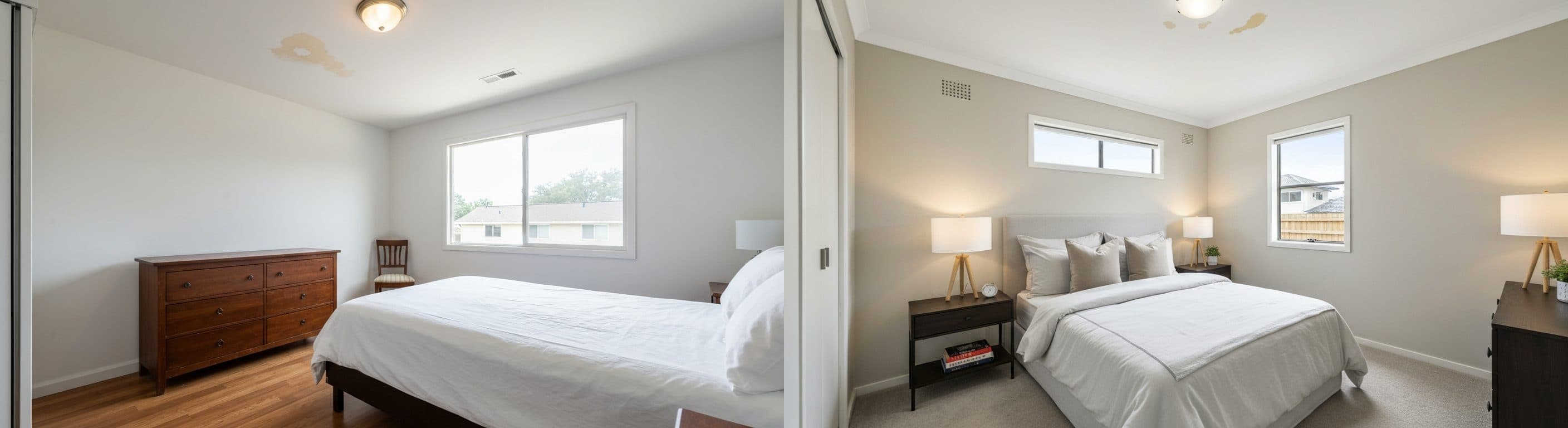
When implementing virtual staging, it's crucial to pair it with honest disclosures. For instance, if a room has water damage, stage it virtually to show a repaired version, but clearly note the issue in the listing description. This approach aligns with Using Staging to Offset Disclosed Flaws guidelines, ensuring transparency while enticing buyers to envision the home's full potential.
- Start with high-quality photos of the actual property to set realistic expectations.
- Use virtual tools to demonstrate affordable upgrades that address disclosed defects.
- Always include disclaimers in listings stating that staging is virtual and defects are as described.
- Combine with professional advice from sources like
- to balance appeal and honesty.
Checklist for Disclosing Home Problems
Creating a structured checklist can streamline the process of communicating property flaws to buyers, helping private sellers and agents maintain ethical standards. This not only reduces the risk of post-sale disputes but also builds trust, potentially reducing time on market with transparency. As outlined in Seller Disclosures: What Home Sellers Must Reveal , thorough disclosures are legally required in most states, covering everything from structural issues to environmental hazards.
| Defect Type | Disclosure Tip | Potential Impact on Value | Source |
|---|---|---|---|
| Structural Damage | Document repairs and provide inspection reports | Minimal if addressed proactively | https://www.zillow.com/sellers-guide/disclosing-home-defects/ |
| Plumbing Issues | Highlight cost-effective fixes in listings | Can be offset with warranties | https://www.realtor.com/advice/sell/how-to-disclose-home-defects/ |
| Electrical Problems | Use professional assessments to assure buyers | Maintains value through transparency | https://www.bankrate.com/real-estate/disclosing-home-defects/ |
| Roof Leaks | Offer credits or repairs as incentives | Reduces objections and preserves pricing | https://www.homelight.com/blog/disclose-home-defects/ |
| Pest Infestations | Disclose treatments and prevention plans | Builds buyer confidence without price drops | https://www.redfin.com/guides/disclosing-property-issues |
Implementing this checklist ensures that disclosures are comprehensive yet presented in a way that doesn't deter buyers. For example, framing defects as opportunities for customization can turn potential negatives into positives, as suggested in Communicating Property Flaws: Honesty Without Hurting the Deal . This strategy is particularly useful for property developers aiming to standardize defect disclosure in real estate.
Budget-Friendly Ways to Handle Property Defects
Not every defect requires expensive repairs before listing. Budget-friendly strategies can help sellers disclose issues ethically while maintaining home value during sales. Simple actions like providing detailed repair estimates or offering buyer credits can make a significant difference. Insights from The Power of Transparency in Real Estate Sales emphasize how such transparency can lead to faster sales and higher ROI of honest real estate marketing.
- Offer home warranties to cover potential future repairs, easing buyer concerns.
- Provide professional inspections upfront to demonstrate proactive handling.
- Use clear, positive language in disclosures, focusing on solutions rather than problems.
- Leverage resources like
- for guidance on cost-effective disclosure methods.
These methods are especially beneficial for private sellers handling honest defect disclosure without professional agents. By addressing common objections in home defect disclosure early, such as through virtual tours that highlight both flaws and fixes, sellers can improve listing CTR through honest ads and avoid price negotiations that erode value.
Sources
- How to Disclose Property Defects Without Scaring Buyers Away (article)
- Seller's Guide to Disclosing Home Defects (guide)
- How to Disclose Home Defects to Potential Buyers (article)
- Communicating Property Flaws: Honesty Without Hurting the Deal (news)
- How to Disclose Home Defects and Still Sell for Top Dollar (article)
- Disclosing Property Issues: Tips for Real Estate Agents (guide)
- The Power of Transparency in Real Estate Sales (article)
- Seller Disclosures: What Home Sellers Must Reveal (guide)
- Disclosing Home Defects: What Sellers Need to Know (article)
- Disclosing Defects in Real Estate Transactions (article)
- Real Estate Disclosures: Balancing Honesty and Value (article)
- What Is a Seller Disclosure? Here's What You Need to Know (guide)
- Seller Disclosure: What It Is and Why It Matters (article)
- Effective Disclosure Strategies for Real Estate Agents (news)
- The Importance of Honest Communication in Real Estate (article)
- Impact of Seller Disclosures on Home Sales (study)
- Using Staging to Offset Disclosed Flaws (article)
- Mitigating Property Defects with Virtual Staging (article)
- Real Estate Disclosure Laws and Best Practices (guide)
- Real Estate Disclosures: What Sellers Must Tell Buyers (article)
- Incorporating AI in Real Estate Videos (Virtual Staging and More!) (youtube)